Unveiling the Peculiar Connection Between Non-Alcoholic Beer and Bloating, and Quick Remedies to Solve It
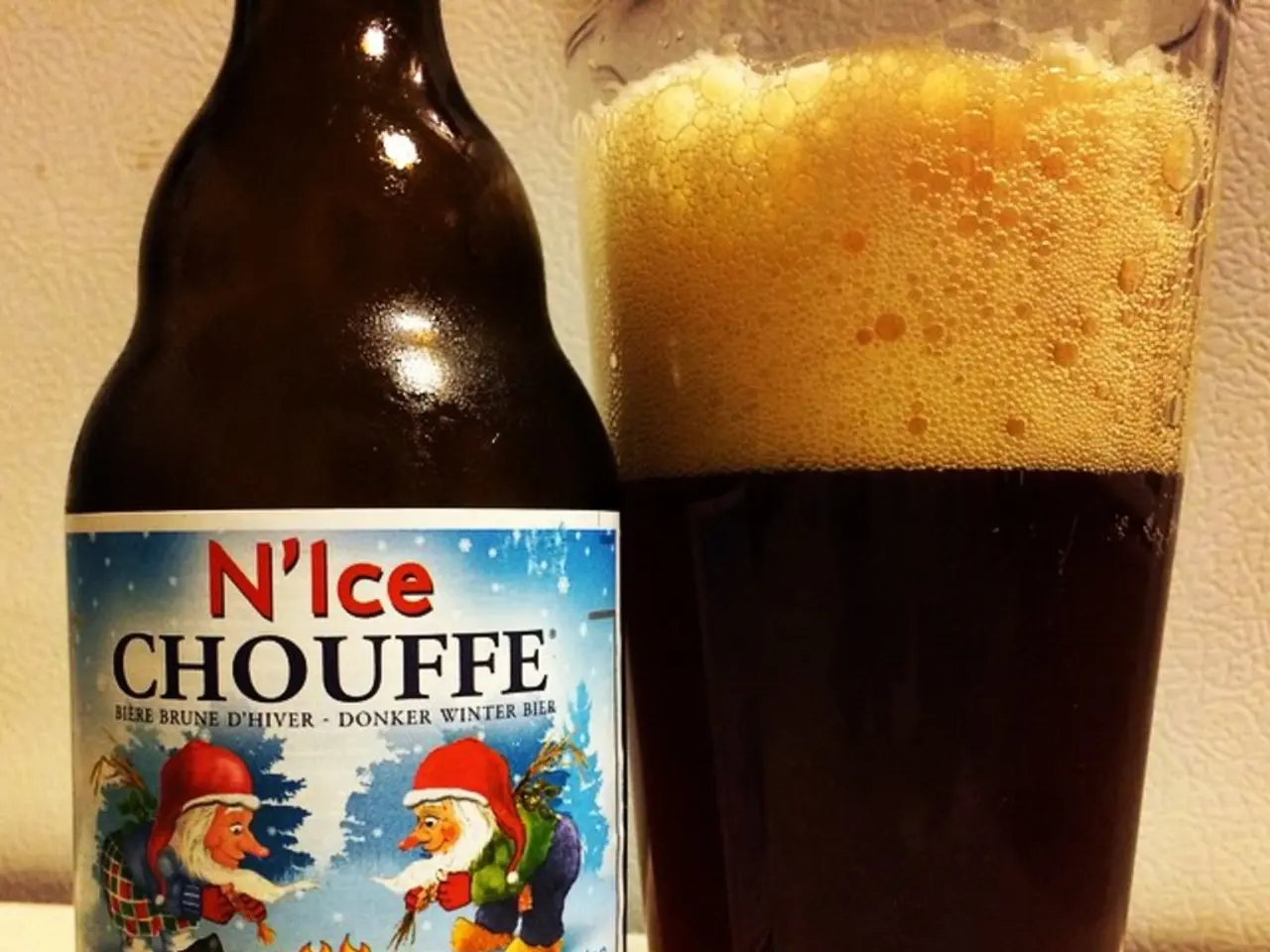
Drinking non-alcoholic beer might make you feel bloated, and that's no myth debunked. Here's the lowdown on why this happens and what you can do about it.
Non-alcoholic beer isn't a magic potion that guarantees a bloat-free buzz. The culprits are usually carbonation, residual sugars, and a dash of yeast. These guys can build up gas in the gut, causing it to swell, like a balloon, and make you feel uncomfortable.
But fear not! Not everyone will experience bloating after downing a round of non-alcoholic beers. It all depends on factors like the amount you drink, your brand of choice, and how your gut reacts to the ingredients.
There are studies, ya know, those things filled with facts and stuff, that show non-alcoholic beer doesn't cause bloating in healthy individuals. When compared to a placebo drink, no significant differences in bloating or gastrointestinal symptoms were found. So, if you're feeling fine, it's all good.
However, there are other factors that can make you feel like a balloon. Certain foods high in sodium, fiber, or sugar can make you feel bloated, as can hormone fluctuations during your menstrual cycle. Stress and certain medical conditions like irritable bowel syndrome or celiac disease can also cause bloating.
If you think your bloating is outside the norm, it's essential to identify the root cause and take appropriate steps. Keeping a food diary can help, allowing you to identify patterns and potential triggers. Consulting with a healthcare professional, like a doctor or a dietician, can give you personalized advice based on your specific situation.
To reduce bloating, here are some tips:
- Go Flat: Swap your bubbly brews for non-carbonated drinks to minimize gas buildup.
- Eat Slow: Don't rush your meal, as eating quickly can cause you to swallow air, leading to bloating.
- Limit the Fat: Reducing your intake of high-fat foods, like fried foods and creamy sauces, can make digestion easier.
- Drop the Gum: Chewing gum can introduce gas, so find alternative ways to freshen your breath, like brushing your teeth or using mouthwash.
- Opt for Gluten-Friendly: If you're gluten intolerant, choose beers that are gluten-free to prevent bloating.
- Chill Your Beer: Colder temperatures can reduce carbonation levels, potentially decreasing bloating.
- Don't Shake It: Avoid agitating your beer, as shaking can increase carbonation and lead to bloating.
- Consider Medication: If bloating persists despite your best efforts, consult your healthcare professional about anti-gas medication.
By following these tips, you can help reduce bloating and enjoy a better beer experience.
Remember, individual experiences can vary, so pay attention to how your body reacts. Listen to it, and you'll navigate the non-alcoholic beer world seamlessly.
FAQs:
Q: Does non-alcoholic beer cause bloating?A: Yes, non-alcoholic beer can cause bloating because of carbonation, residual yeast, and fermentable sugars that can lead to gas and stomach discomfort.
Q: Why does NA beer make me gassy?A: NA beer can make you gassy due to its carbonation, fermentable carbohydrates, and yeast byproducts which ferment in the gut causing bloating.
Q: How can I prevent bloating from NA beer?A: To prevent bloating, try low-carbonation or flat NA beer, sip slowly, drink water, and avoid pairing it with high-FODMAP foods.
Q: Are all non-alcoholic beers bloat-friendly?A: Some non-alcoholic beers may be more bloat-friendly than others. Choose options labeled low-carb, low-carbonation, or made with gluten-free and low-FODMAP ingredients.
Q: When should I worry about bloating from NA beer?A: If bloating is severe, persistent, or accompanied by pain, consult a healthcare provider to rule out conditions like irritable bowel syndrome or food intolerances.
- While non-alcoholic beer might not always be the culprit for bloating, its carbonation, residual sugars, and yeast can cause gas buildup, leading to discomfort.
- In some individuals, the bloating associated with non-alcoholic beer can be minimized by choosing low-carbonation or flat options.
- Consuming non-alcoholic beer slowly and sipping water in between helps prevent gulping air and resulting bloating.
- Nutrition plays a significant role in digestive health; limiting high-fat foods and high-FODMAP pairings can help minimize bloating from non-alcoholic beer.
- Women's health, particularly during the menstrual cycle, can also impact bloating, making it essential to consider dietary changes and stress management.
- If management of bloating seems overwhelming or bloating persists, nutritionists and healthcare professionals can offer guidance on healthy-cooking techniques, weight-management strategies, and therapies-and-treatments.
- With global-cuisines embracing a health-and-wellness focus, innovative cooking methods like healthy-cooking can minimize bloating without compromising on flavor.
- Skin-care and fitness-and-exercise go hand in hand with maintaining a healthy lifestyle and promoting a better overall sense of well-being, which can contribute to improved digestion and reduced bloating.
- Workplace-wellness initiatives are growing in popularity, offering workshops on stress management, nutrition, and fitness-and-exercise to promote overall health and well-being, including digestive health.
- By paying attention to your body's reactions and adhering to the tips discussed, you can create your personalized lifestyle that minimizes bloating from non-alcoholic beer, allowing you to enjoy your favorite refreshments guilt-free.