
Training workouts for individuals over 50: building muscle free of discomfort
=========================================================
As we age, maintaining health and physical fitness becomes increasingly important, especially when it comes to protecting our joints. A previous article here discussed the importance of nutrition for CrossFit trainees, and now we turn our attention to exercises suitable for those over 50.
Low-impact activities are the key to joint health and physical fitness in this age group. These include walking, swimming, cycling, elliptical training, chair yoga, and water aerobics.
Walking on soft surfaces like parks can boost cardiovascular health and promote circulation around joints. Aim for 20–30 minutes a day with supportive footwear.
Chair yoga or seated stretching is excellent for improving flexibility, reducing joint swelling, and activating muscles that support joints without placing pressure on them. This makes it ideal for those with stiffness or balance issues.
Swimming and water aerobics offer full-body workouts with zero joint impact due to water buoyancy. They improve flexibility, coordination, and muscle engagement while providing cardiovascular benefits.
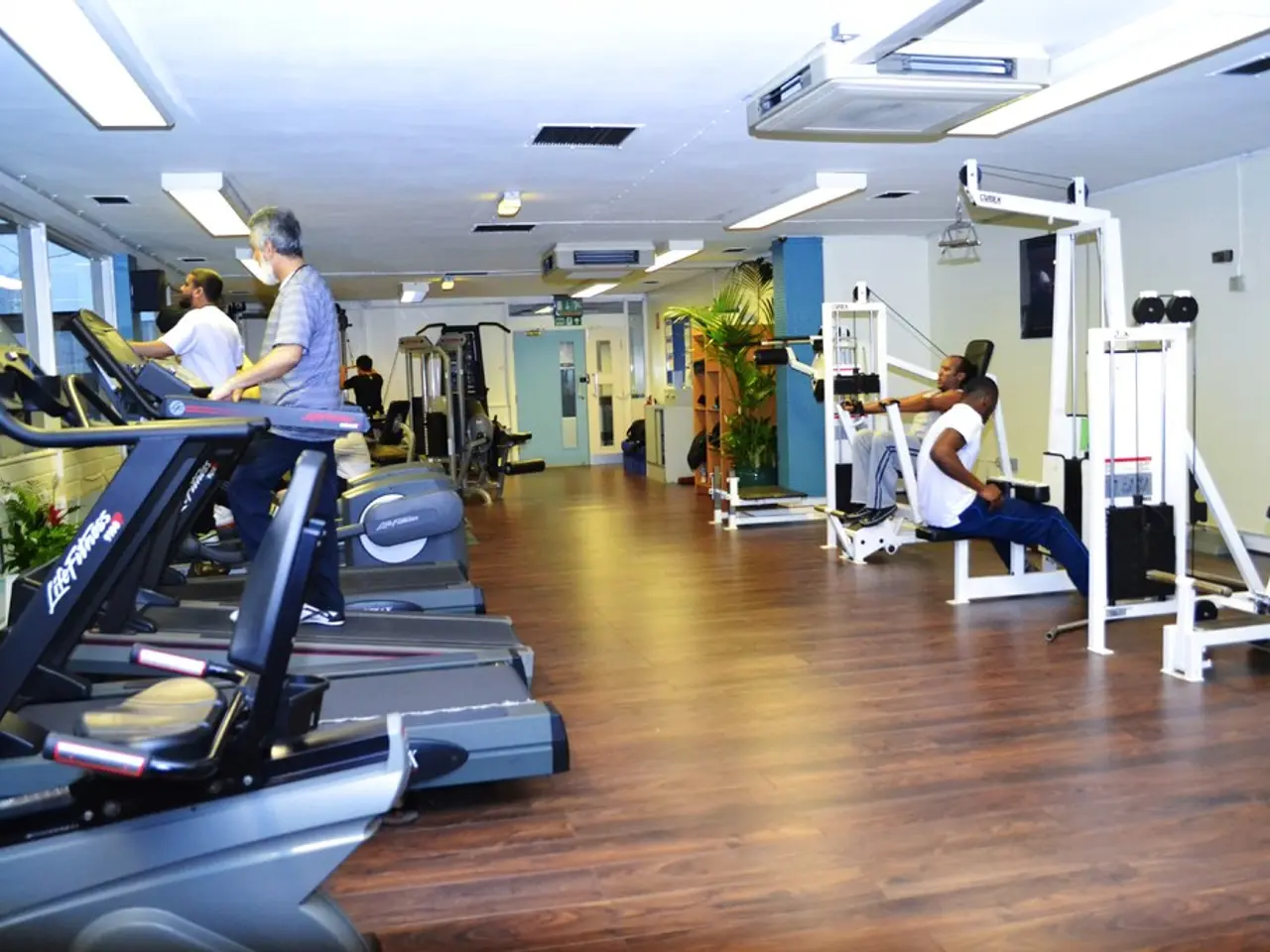
Elliptical machines and stationary cycling provide cardiovascular workouts and muscle strengthening with minimal joint stress. They allow for adjustable intensity and resistance.
Strength training using lighter weights, higher repetitions (10–15 reps), resistance bands, or machines reduces joint loading while maintaining muscle strength crucial for joint support. Incorporating Pilates can strengthen the core, improving posture and reducing back pain.
Mobility drills and balance training help reduce injury risk and improve coordination and posture, contributing to joint protection.
A warm-up and cool-down routine that includes stretching and light cardio prepares muscles and joints, further reducing pain and enhancing flexibility.
Two specific exercises to consider are box squats and resistance band pull-ups.
Box squats is a lower body exercise that strengthens the quadriceps, glutes, hamstrings, and abs. It helps improve stability and control, reduces stress on the knees and lower back, and promotes correct exercise form.
Resistance band pull-ups are beneficial for training the back and arms while minimizing stress on the shoulder and elbow joints. To perform resistance band pull-ups, attach the band at chest height or wrap it around your legs, sit or stand with arms extended forward, pull the band towards you, squeezing your shoulder blades together, and slowly return to the starting position.
Remember to avoid excessive knee bend in box squats, excessive elbow splaying, and raising your shoulders in resistance band pull-ups. For the best results, perform 3 sets of 6-12 reps for box squats, and 3 sets of 15 repetitions for resistance band pull-ups, with appropriate rest times between sets.
By incorporating these exercises into your routine, you can maintain joint health, reduce pain, and improve your overall fitness after 50.
Science reveals that incorporating low-impact exercises, such as walking, swimming, cycling, elliptical training, chair yoga, and water aerobics, into a daily routine is crucial for maintaining joint health and physical fitness in individuals over 50. Moreover, strength training using lighter weights, higher repetitions, resistance bands, or machines, particularly exercises like box squats and resistance band pull-ups, can help strengthen muscles and reduce joint loading, thus contributing to joint health and overall fitness improvement.