Seniors Reunited in Long-Term Care Institutions After an Eight-Year Separation
In Ontario, a long-standing legislative effort, known as the Till Death Do Us Part Act, aims to bring together married couples who are separated when they enter senior care institutions. Despite multiple attempts to pass this bill, it remains unlawed. The persistent advocate for this bill is Ontario NDP MPP Catherine Fife, who has introduced it on numerous occasions, but faced setbacks, including a recent snap election that resulted in the bill being removed from the legislative docket [1][2].
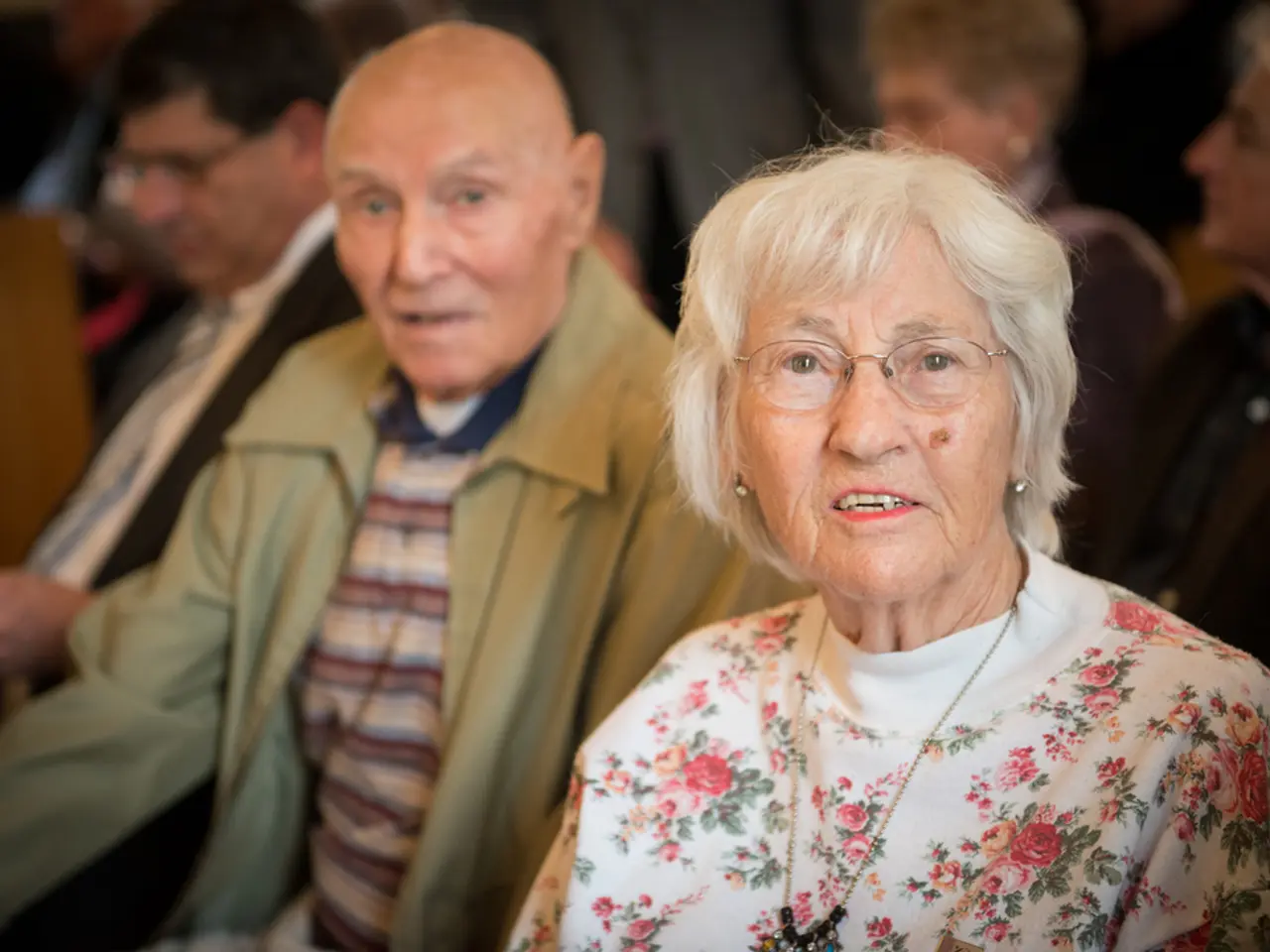
The poignant story of Joan and Jim McLeod, a couple separated in long-term care for nearly eight years, underscores the urgency of this issue. Although they were recently reunited due to medical needs rather than legal changes, their experience underscores the need for such legislation. Advocates like Catherine Fife continue to push for the bill to ensure that other couples do not face the same separation [1][2].
The latest version of the bill, Bill 21, represents ongoing efforts to address this issue through legislation. However, until the bill is passed, separated couples in Ontario must rely on individual efforts to reunite, as seen in the McLeods' case [2]. Jim McLeod resides independently at Fairview Mennonite Home, which has long-term care facilities on-site. Joan McLeod, his 86-year-old wife, requires long-term care and is currently residing at Hilltop Manor, a 25-minute drive away [1].
Jim has made over 2,600 trips from his residence to Hilltop to visit his wife, a testament to his determination. Joan was transferred to Fairview's long-term care facilities on June 11, allowing Jim to visit without leaving the building [1]. However, Jim stated that all bills for spousal reunification are no longer valid, emphasising the need for the Till Death Do Us Part Act to become law [2].
Catherine Fife, who joined the fight to reunite married couples like the McLeods in 2019, mentioned that some spouses have passed away without being reunited [1]. Despite the bill's repeated failures to pass due to varying factors, Fife continues to push for its enactment, with Joan McLeod advising others not to give up in the fight [1][2].
The Ontario long-term care system does not prioritise keeping married couples together when they enter institutional care for seniors, making the Till Death Do Us Part Act all the more crucial [2]. As the fight for this bill continues, the McLeods' story serves as a powerful reminder of the importance of maintaining marital bonds, even in the face of adversity.
[1] https://globalnews.ca/news/8369101/ontario-till-death-do-us-part-bill-mcleods/ [2] https://www.thestar.com/news/gta/2021/06/17/waterloo-region-couple-separated-for-years-finally-reunited-in-long-term-care-facility.html
- The advocacy for the Till Death Do Us Part Act in Ontario continues, with Catherine Fife emphasizing the need for it after the McLeods' long separation in senior care institutions.
- In the light of Joan and Jim McLeod's experience, the call for policy and legislation that promotes the health-and-wellness and mental-health of senior couples grows stronger.
- The McLeods' reuniting, despite existing policies, highlights the necessity for the Till Death Do Us Part Act to ensure that other couples do not endure similar situations, particularly in health-and-wellness and senior care institutions.
- The latest version of the bill, Bill 21, aims to prioritize the unity of married couples in seniors' health-and-wellness institutions, a point underscored by the McLeods' story under the general-news category.
- Advocacy for the Till Death Do Us Part Act is not just about love-and-dating or relationships; it's about family-dynamics, aging, and maintaining bonds, as demonstrated by the persistence of Catherine Fife and the experiences shared by the McLeods.
- With the ongoing fight for the Till Death Do Us Part Act, attention is drawn not only to the politics and policy-and-legislation aspects but also to the significant impact it can have on lifestyle, mental-health, and family-dynamics, as made evident in the McLeods' story.