
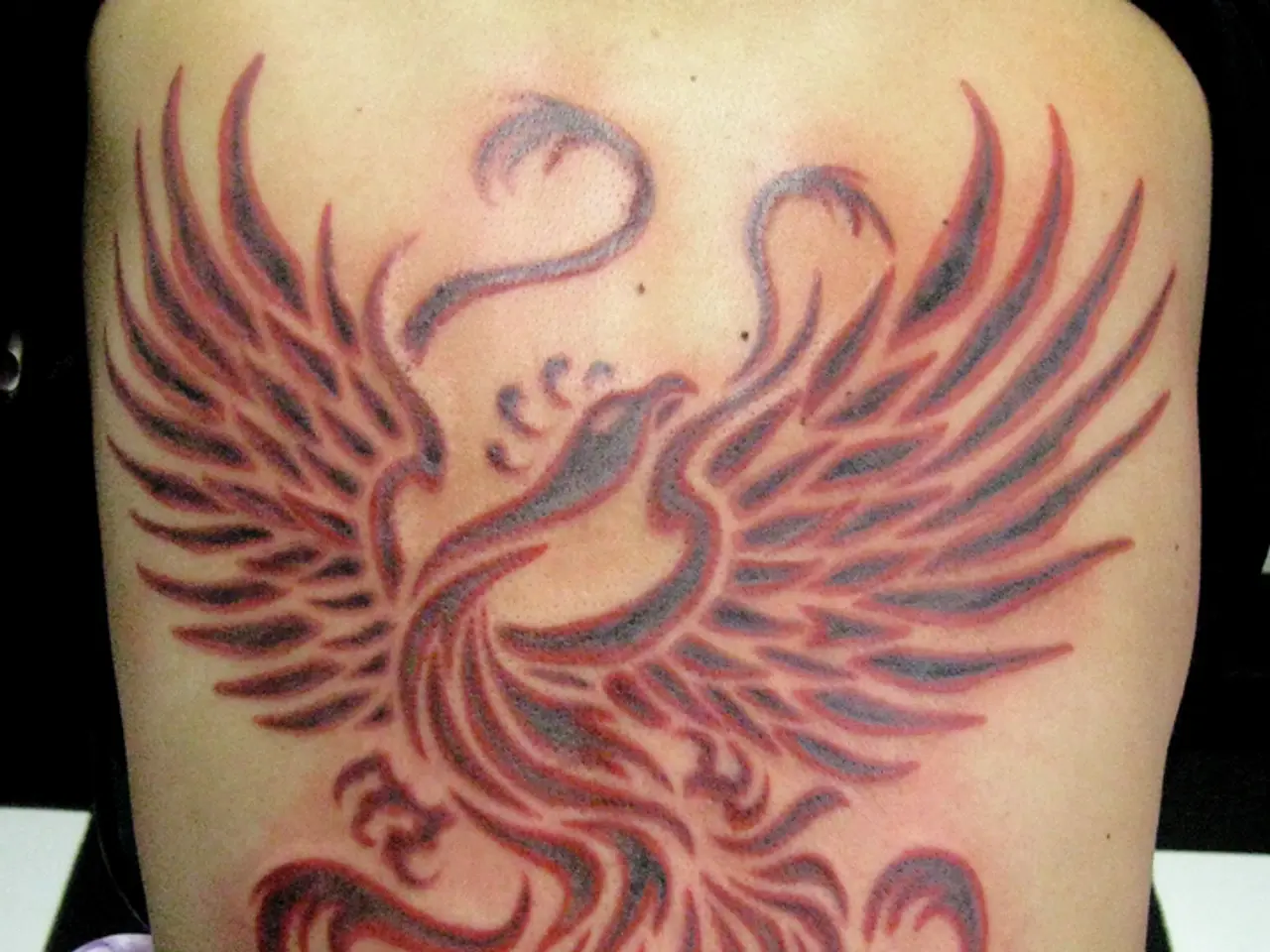
Important Safety Measures for Tattooing: Caution, Preparation, and Care Post-Inking
In the world of body art, tattoos have become increasingly popular. However, it's essential to be aware of the potential health risks associated with this practice. This article aims to provide a clear understanding of these risks and offer tips for minimising them.
A tattoo is a form of body modification where ink, pigment, or dye is injected into the skin's dermis layer. This process carries several potential health risks, such as infections, allergies, keloids, and blood-borne infections.
Infections are the most common health risk, with bacterial infections being the most prevalent. These infections are often caused by Staphylococcus or Streptococcus bacteria thriving in unsanitary conditions or from improper aftercare. Viral infections, such as herpes simplex virus, human papillomavirus, and molluscum contagiosum, can also occur during or after the tattooing process. Fungal infections may arise from contaminated ink or unclean equipment.
Immune system complications are another concern, particularly for individuals with weakened immune systems. Tattoo pigments can migrate to lymph nodes, causing chronic inflammation and potentially increasing risks of lymphoma or skin cancer, especially with large tattoos.
Allergic reactions to tattoo ink are also a possibility, with certain colors being more likely to cause a reaction. Some tattoo inks, especially those containing heavy metals or certain pigments, may provoke allergic responses. These reactions can be delayed and challenging to diagnose.
Toxicity from ink components is another long-term health risk, with heavy metals and other toxic chemicals in tattoo inks presenting potential carcinogenic effects. Certain inks, such as blacklight or glitter inks, remain poorly studied and can complicate removal or increase UV sensitivity.
To mitigate these risks, it's crucial to choose reputable, licensed tattoo parlors that follow strict hygiene protocols, using sterile equipment and safe ink sources. Proper aftercare is also essential, including cleaning the tattooed area gently with antimicrobial soap and warm water, keeping it covered with sterile bandages, and avoiding touching with unwashed hands.
Protecting from sun exposure is also important, with tattoo-friendly sunscreen (SPF 50+) and avoiding direct sunlight minimising inflammation and risk of skin damage, especially with fresh tattoos. Managing inflammation and discomfort can be achieved through over-the-counter anti-inflammatory medications, cold compresses, and recommended topical ointments.
Immunocompromised individuals should consult healthcare providers before getting a tattoo due to the higher risks of complications. It's also advisable to research the tattoo artist and design before the session, eat a meal, avoid alcohol for 24 hours, drink water, wear the right clothing, sleep well the night before, and be aware of the signs of infection or allergic reaction. Seek medical attention promptly if you notice persistent redness, swelling, fever, severe pain, pus, or systemic symptoms.
Laser tattoo removal is a common method for tattoo removal, but it involves potential risks. The color of the tattoo and a person's skin type will play a role in the chosen laser, and the process is typically a multiple-session procedure, with the number of sessions varying depending on the tattoo's color and size.
Keloids are enlarged scars that resemble bumps on the skin and can develop after a tattoo due to the needle piercing the skin. Blood-borne infections can transfer to another person during a tattoo session if the tattoo equipment contains infected blood.
Examples of blood-borne infections include hepatitis B, hepatitis C, and HIV. The National Conference of State Legislatures provides information on state requirements for tattooing.
Adhering to these guidelines reduces the likelihood of adverse effects from tattoos and promotes safe healing and long-term outcomes.
- In the world of dermatology, tattoos can pose several health risks beyond their aesthetic appeal, such as infections, allergies, keloids, and blood-borne infections.
- To ensure skin health and wellness when getting a tattoo, it's important to consider factors like choosing a reputable, licensed tattoo parlor, adopting proper aftercare, and taking precautions like wearing sunscreen and consulting healthcare providers if immunocompromised.
- The process of tattooing, with its potential involvement of heavy metals and toxic chemicals in the ink, can lead to long-term health concerns like immune system complications, allergy reactions, and carcinogenic effects – emphasizing the importance of science and skin-care research in this field.