
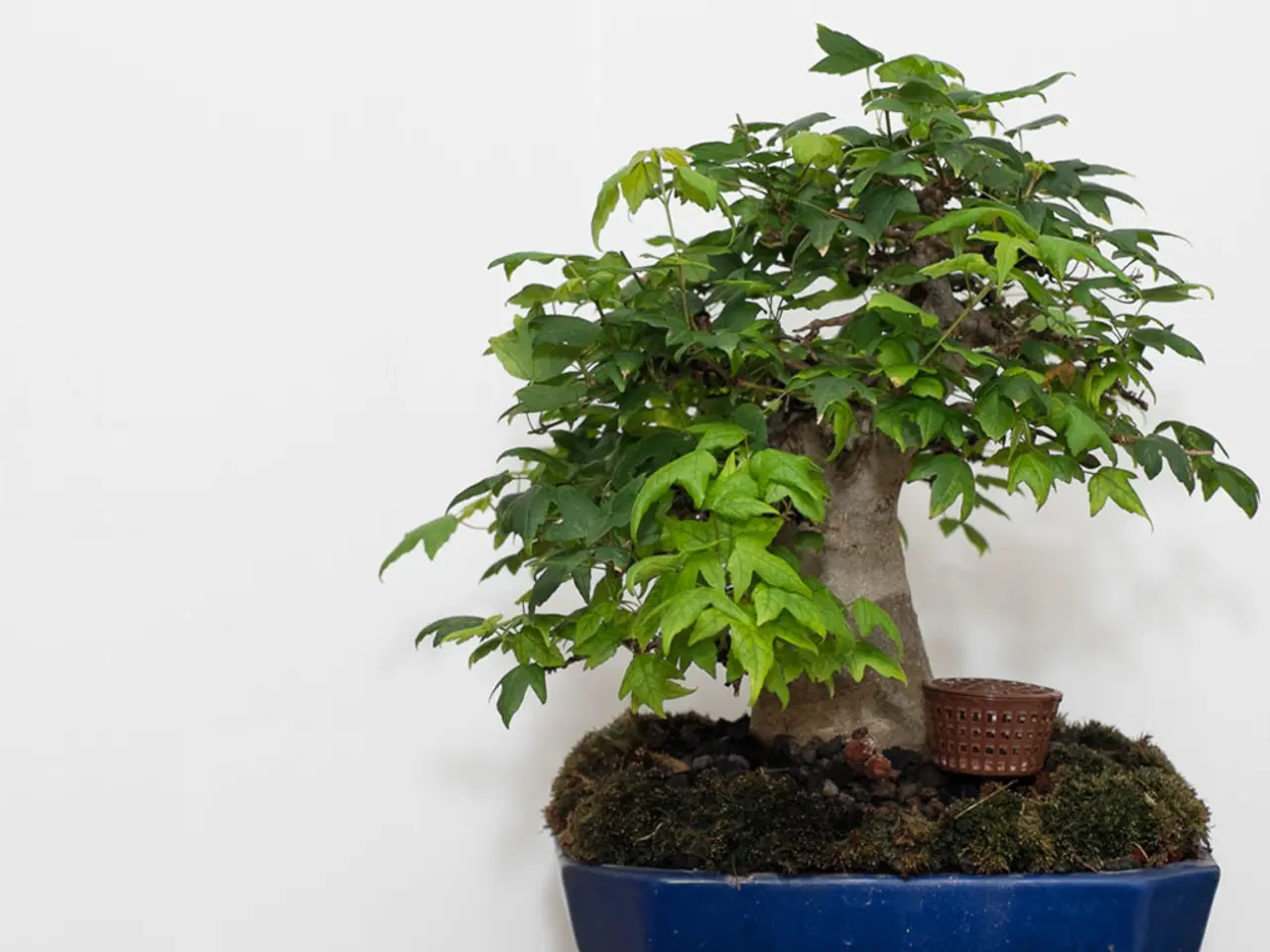
Identifying Common Ailments and Pests in Bonsai: A Comprehensive Guide (13 Issues Included)
Maintaining a healthy, stress-free bonsai tree is essential for its longevity and aesthetic appeal. Here are some common signs of stress in bonsai trees and tips on how to prevent them:
## Common Signs of Stress in Bonsai Trees
1. **Leaf Drop or Yellowing**: Sudden and excessive leaf drop can indicate stress. Leaves may turn yellow, brown, or display spots before falling, which can be due to underwatering, overwatering, or nutrient imbalances.
2. **Browning or Wilting**: Browning needles or leaves often result from overwatering or underwatering, while wilting can be a sign of insufficient moisture.
3. **Pests and Diseases**: Tiny bugs, sticky sap, webbing, or black spots can indicate pests or fungal infections, which are not seasonal issues and require immediate action.
4. **Slow Growth**: Lack of sunlight, poor soil quality, or root-bound conditions can lead to slow growth.
5. **Additional Stressors**: Slugs or snails can be harmful because they spread fungus, mold, and disease, and leave behind slime trails on leaves and branches. Aphids have pear-shaped bodies and secrete sugary "honey dew" droplets that ants and mold love to feed on. Vine weevils eat the leaves of a bonsai, causing "notches" around the edges of leaves or holes in the center, and their babies can be found burrowed in the soil, eating the roots of the plant.
## Tips for Maintaining a Healthy Bonsai
### **Watering** - **Check Soil Moisture**: Ensure the soil is neither too dry nor waterlogged. For most bonsai trees, the top inch of soil should dry out slightly between waterings. - **Use Proper Drainage**: Ensure the pot has good drainage holes to prevent root rot.
### **Lighting** - **Provide Adequate Sunlight**: Most bonsai trees need bright, indirect sunlight. Place them near a south- or west-facing window. If natural light is insufficient, consider using grow lights.
### **Humidity and Temperature** - **Maintain Stable Conditions**: Keep your bonsai in a stable environment away from drafts and extreme temperatures. - **Humidity**: Use a humidity tray or mist the leaves occasionally, especially in dry environments.
### **Fertilization** - **Balanced Fertilizer**: Use a balanced fertilizer every 4-6 weeks during the growing season to boost nutrients. Avoid overfertilizing, as it can cause yellowing leaves or stunted growth.
### **Pruning and Shaping** - **Regular Pruning**: Regularly prune and shape your bonsai to promote health and appearance.
### **Monitoring for Pests and Diseases** - **Inspect Regularly**: Check your bonsai regularly for signs of pests or diseases and take action promptly if you notice any issues.
By following these tips, you can help reduce stress on your bonsai trees and maintain their health and vitality.
In the realm of health and wellness, gardening can also provide lessons on maintaining the vitality of bonsai trees. For instance, just as symptoms such as leaf drop, yellowing, browning, wilting, pests, diseases, and slow growth indicate stress in bonsai, similar signs might be observed in pets, reflecting their medical conditions. To ensure a bonsai's longevity and aesthetic appeal, it's crucial to provide adequate watering, proper drainage, lighting, temperature, and humidity, similar to how home and garden practices can impact an individual's lifestyle and overall health. Regular pruning, fertilization, and monitoring for pests and diseases are just as important for bonsais as maintaining a balanced diet and frequent health check-ups are for pets and people.




)