
Diagnosis Outlook for Oral Cancer
In this article, we delve into the prognosis, causes, symptoms, and treatments for oral cancer.
Oral cancer, a disease that affects various parts of the oral cavity, has a significant impact on individuals worldwide. The prognosis for oral cancer offers insights into the likelihood of survival for those diagnosed. According to the SEER database, the 5-year relative survival rate for cancers that affect the oropharynx is 50%. This rate increases to 91% for cancers that affect the lips and 68% for cancers that affect the tongue.
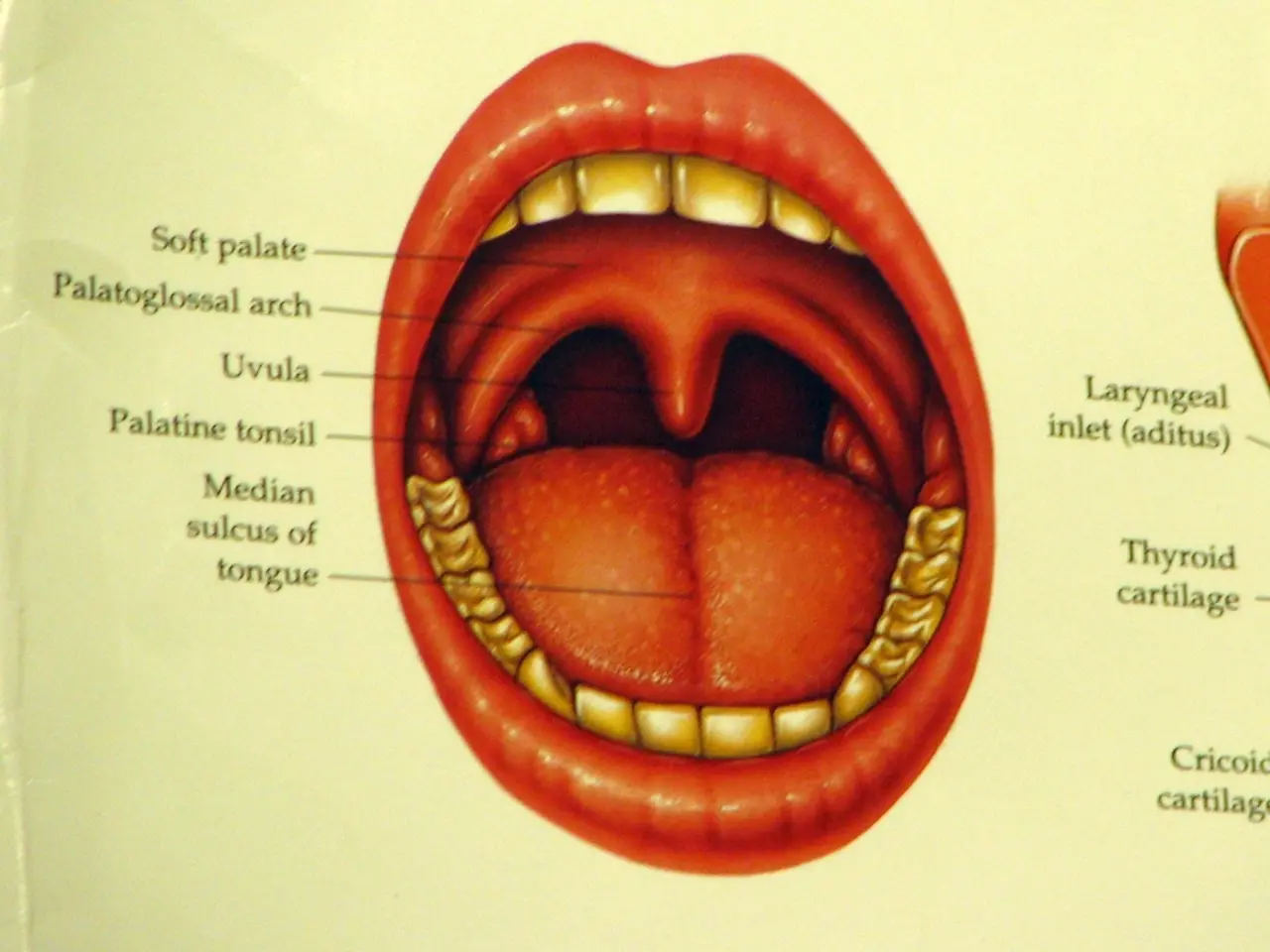
The oral cavity, the area of focus for oral cancer, includes the teeth, lips, lining of the cheeks and lips, gums, bony roof of the mouth, floor of the mouth, front two-thirds of the tongue, and the area behind the wisdom teeth. The oropharynx, another crucial region, includes the base of the tongue, tonsils, side and back walls of the throat, and soft palate.
Signs of oral cancer can be subtle but are crucial to identify. These may include sores that do not heal, thickening of the cheek or mouth, pain, red or white patches, difficulty in chewing or swallowing, numbness, a pain or swelling in the jaw, a lump in the back of the throat or neck, pain in the ear, difficulty in moving the tongue or jaw, pain around the teeth, changes in voice.
Treatment options for oral cancer are diverse and depend on the stage and type of the cancer. Surgery aims to remove the tumor and a margin of healthy tissue. Chemotherapy involves administering anticancer drugs through the mouth or injected into the veins. Radiation therapy uses high-energy X-rays to damage the DNA of cancer cells and kill them. Targeted therapy aims to slow the growth and spread of cancer by administering medicines that target specific proteins in cancer cells. Immunotherapy aims to boost an individual's immune system to fight cancer.
It's important to note that the survival rate for oral cancer depends on the type of cancer, the individual's health, and whether the cancer has spread. The SEER database categorizes cancer into localized, regional, and distant based on the spread of the disease. The 5-year relative survival rates for oral cancer in the U.S., according to SEER data, differ significantly by stage. Localized oral cancer (cancer confined to the primary site) typically shows the highest 5-year relative survival, often around 80-85%. Regional oral cancer (cancer that has spread to regional lymph nodes) has a 5-year relative survival around 60-70%. Distant oral cancer (metastatic disease) shows much lower survival rates, approximately 30-35%. The all stages combined 5-year relative survival for oral cancer is estimated at roughly 65-70%.
Common factors that can cause oral cancer include tobacco use, drinking excess alcohol, infection with human papillomavirus, issues with nutrition, and issues with oral hygiene.
For precise SEER numeric survival rates for oral cancer by stage, the National Cancer Institute’s SEER Cancer Stat Facts or official SEER website would be authoritative sources.
- Scientific advancements in oncology have led to a better understanding of oral cancers, chronic diseases that affect various parts of the oral cavity.
- Sleep and mental health are crucial factors that can impact the prognosis of individuals diagnosed with oral cancer.
- In workplaces, promoting wellness can help individuals manage medical conditions like oral cancers effectively.
- Beyond oral cancer, other common cancer types include respiratory conditions, digestive health issues, and skin-related diseases.
- Eye health, hearing, and fitness-and-exercise are all essential components of overall health and wellness.
- Sexual health is an often overlooked but vital aspect of personal health, affecting both men's and women's health.
- Autoimmune disorders, such as rheumatoid arthritis and lupus, can contribute to the development of various chronic diseases.
- Mental health conditions, like depression and anxiety, can exacerbate the impact of oral cancers on individuals.
- As people age, they may become more susceptible to a variety of health issues, including cancer, cardiovascular health problems, and skin-related conditions.
- Womens-health encompasses a wide range of medical conditions and issues unique to women, from reproductive health to menopause.
- Parenting involves addressing the physical and emotional well-being of children, including weight management and nutrition.
- CBD, a non-psychoactive compound found in cannabis, is being studied for its potential therapeutic benefits in treating chronic diseases like oral cancers.
- Neurological disorders, such as Alzheimer's disease and Parkinson's disease, can significantly impact an individual's quality of life.
- Skin-conditions, like acne, eczema, and psoriasis, can affect individuals of all ages and require proper care and treatment.
- Medicare, a health insurance program for people over 65 or those with certain disabilities, provides coverage for oral cancer treatments and other therapies and treatments.
- A balanced diet, regular exercise, and stress management are key components of a comprehensive approach to maintaining overall health and preventing chronic diseases like oral cancer.