
'A Terrifying Tale from The Empusium: A Health Spa Nightmare'
In the picturesque yet symbolic backdrop of the Sudetes Mountains, Nobel Prize-winning author Olga Tokarczuk weaves a deeply atmospheric and introspective tale in her novel "Drive Your Plow Over the Bones of the Dead." Set in the sanatorium town of Görbersdorf, the narrative follows Mieczysław Wojnicz, a young Polish man seeking a cure for his tuberculosis.
Arriving in September 1913, Wojnicz steps into a world isolated by illness and the hope of recovery. Known for its clean air and tranquil environment, Görbersdorf was a sought-after place for convalescence from tuberculosis. The story delves into Wojnicz's experiences in this peculiar setting, where the rhythms of life are shaped by sickness and the looming presence of death.
Born to a father and raised by a nurturing peasant nanny, Gliceria, Wojnicz's background is intimately portrayed. He lost his mother shortly after birth to a mysterious combination of physical exhaustion and depression. The sanatorium, a place meant for healing, also acts as a liminal space between life and death, where the characters confront their own vulnerability and the ripple effects of loss.
The novel weaves themes of mortality, the fragility of life, and the experience of illness. It reflects on the ephemeral nature of human existence, especially focusing on the precarious lives of women in Wojnicz's world. The sanatorium, a place meant for healing, also serves as a stage for a conflict between humans, women, and nature.
The town of Görbersdorf, in addition to being a location for treatment, is a key part of the novel's historical context. By November, the town is revealed to be sick, and the narrative includes events that foreshadow the region's challenging history. The setting, including Görbersdorf, serves as a backdrop for the historical struggles of the region.
The story shares some thematic resonance with works like Thomas Mann's "The Magic Mountain," exploring isolation, sickness, and existential reflection. However, Tokarczuk brings her distinctive attention to memory, the body, and the subtle hauntings of loss in her lyrical prose.
The novel's climax is a significant event that underscores the historical challenges faced by the region. It serves as a precursor to the dark period that the 20th century would become, a period that leaves a lasting impact on the setting of the Sudetes Mountains, which today form the Polish-Czech borderland.
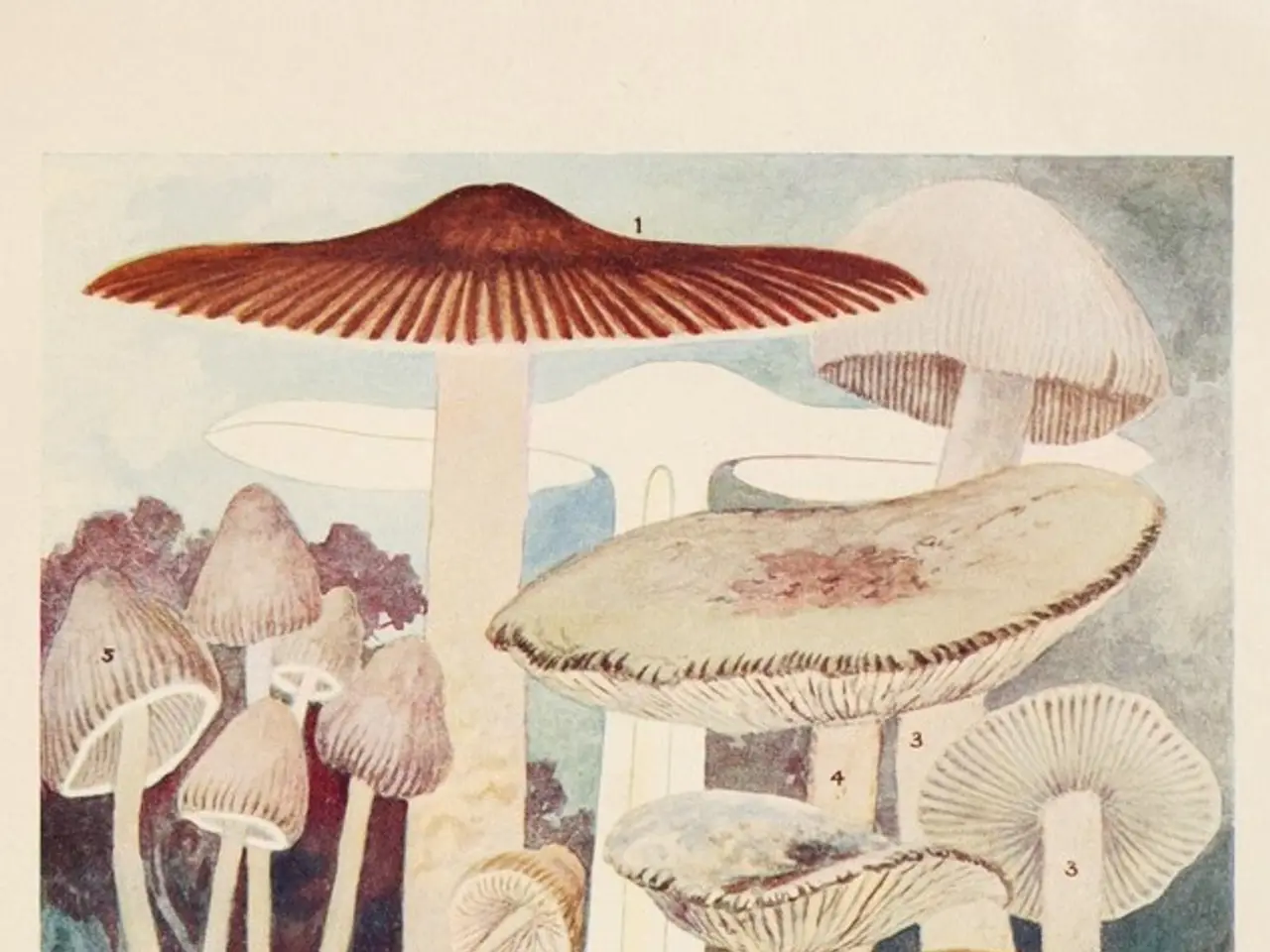
Visitors in the sanatorium are subjected to rest cures, water cures, and the consumption of psychedelic mushroom liqueur. Despite their attempts to escape the world, the patients are unable to fully do so, as villagers, the past, and the mountains constantly intrude. The novel also depicts misogyny as a persistent issue in the sanatorium.
In summary, "Drive Your Plow Over the Bones of the Dead" is a thought-provoking exploration of a young man's search for healing against the stark backdrop of mortality and the haunting presence of death in a tuberculosis sanatorium. It serves as a poignant reminder of the historical struggles faced by the region and the delicate balance between humans, women, and nature.
In this novel, the discussions extend beyond mortality and the fragility of life to encompass the importance of mental health, as the sanatorium, a place meant for healing, also serves as a stage for the subtle hauntings of loss and the lingering effects of depression, demonstrated in Wojnicz's childhood. Furthermore, the novel delves into the scientific realm, exploring the various treatments employed at the sanatorium, such as rest cures, water therapies, and psychedelic mushroom liqueur, and their impact on the patients' health and mental well-being.